
Artificial Intelligence (AI) seems to be everywhere these days. It’s embedded in our phones, our workflows, and, increasingly, in our hospital systems. When I first pivoted into healthcare technology, AI was beginning to gain traction. While some worried it would replace the workforce, I knew in my core that wouldn’t be the case. In healthcare, the human touch, the literal and metaphorical connection between clinician and patient, is irreplaceable.
The Human Touch in Healthcare: What Technology Can’t Replace
I’ve been the one at the bedside, holding a patient’s hand during their most vulnerable moments. I’ve prayed with families, witnessed suffering that defies words, and cared for patients whose diagnoses tore through their lives like a storm. No machine can replicate the act of sitting with someone in silence while they grieve or offering comfort to a new mother grappling with the weight of a terminal diagnosis. That sacred connection will always belong to humanity.
AI Offers Hope in Real Burden
What intrigued me as it did others in healthcare wasn’t the threat but the potential of AI. I saw an opportunity to reduce the crushing, often invisible burden that healthcare professionals carry daily. I know firsthand what that burden feels like. The physical toll of running hallways for hours, rarely sitting down except to chart. The mental weight of documenting every detail for eight or more patients, all while trying to preserve time for real care. The aching feet, the foggy mind after long commutes and longer shifts, the stolen hours of sleep between preparing dinner, helping with household chores, and trying to be present for your own family.
Practical Examples: How AI Can Actually Help Clinicians
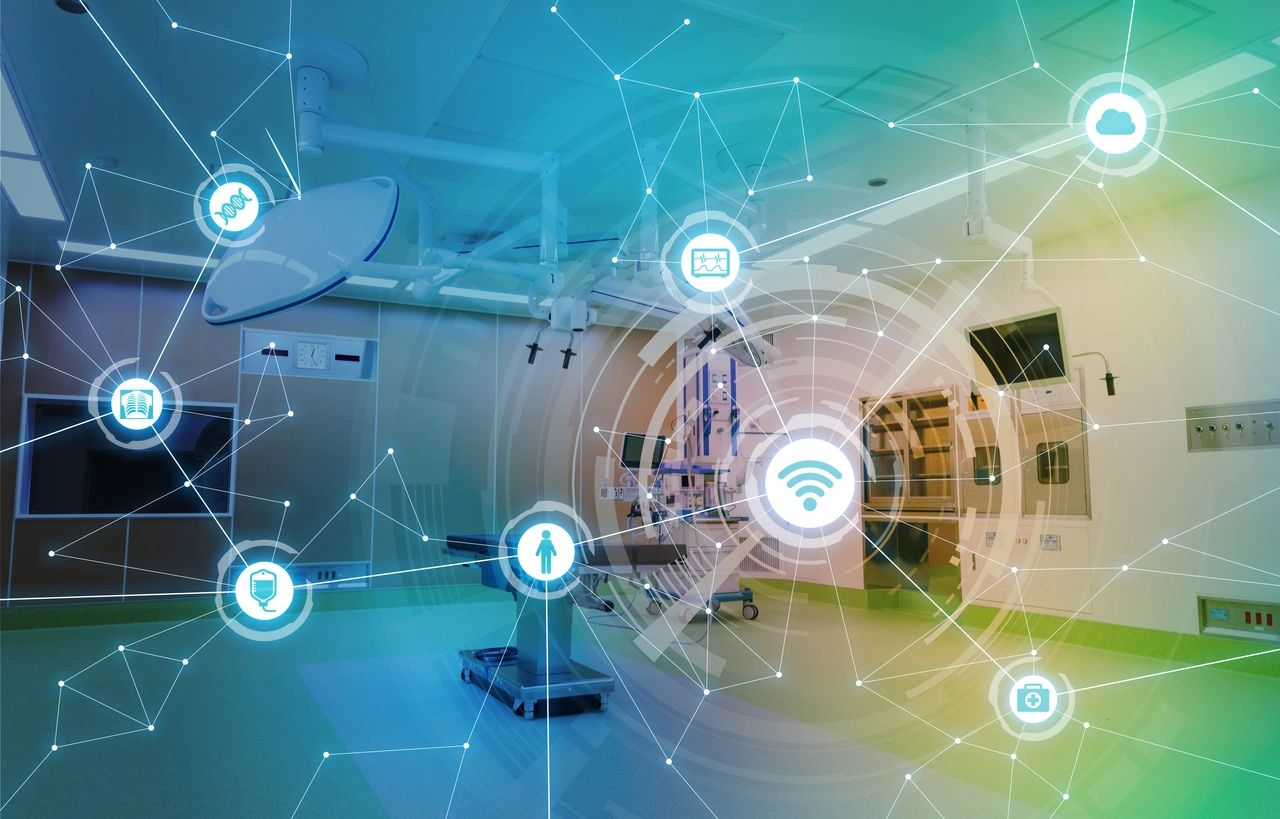
AI, when implemented thoughtfully, can help. Imagine being able to document through voice recognition while continuing patient care. Or having robots quietly deliver blankets, water, or supplies so nurses can focus on critical interventions. Consider virtual monitoring systems that allow nurses to leave on time, knowing their patients are still being watched with care and precision. These aren’t dreams; they’re possibilities already within reach.
When AI Becomes a Burden Instead of a Benefit
But the reality is more complicated. AI can be a blessing, but if deployed poorly, it becomes a burden in itself. Too often, technology is introduced without genuine input from the people who will actually use it. It’s layered onto existing workflows rather than integrated thoughtfully. The result? Clinicians who are already stretched thin are now navigating tools that increase their workload instead of easing it. Cognitive overload, frustration, and resentment follow close behind and are often demonstrated in future installations. What’s worse is when training is rushed or nonexistent, leaving teams to stumble through systems they never asked for and don’t fully understand.
The Key to Sustainable AI Adoption: Empathy in Design
We can’t pretend that AI or any technology can fix a toxic workplace or a broken culture. But it can be part of a better future when we build it with empathy. That means working side-by-side with clinical teams from the very beginning. It means choosing solutions that respect people’s time and fit into the flow of their current work structure, not just the vision of an IT roadmap.
When AI is done right, it can be a quiet, dependable ally. It doesn’t steal the spotlight. It simply supports the people who carry this system on their backs every day. And when healthcare workers feel heard, supported, and respected not just by leadership, but by the tools they use that’s when real change begins.
AI will never replace humanity. But when it’s built with humanity in mind, it can help us hold onto it.
What’s Next: Recognizing the Warning Signs of Tech-Driven Trauma
Next month, we’ll take a deeper dive into the warning signs of poorly implemented technology, including what they look like, the ripple effects they create, and how they can traumatize already overstretched healthcare teams. We’ll also explore practical strategies for mitigating these impacts and fostering healthier, more human-centered tech adoption. Stay tuned.